Trying 128.141.201.74...
Connected to info.stonered.
Escape character is '^]'.

StoneRed

The StoneRed project (SR) is a wide-area curiosity retrieval initiative aiming to give universal access to one interesting document per day.

Everything there is online about SR is linked directly or indirectly to this document, including an executive summary of the project, the document archive, today's SR news and other appearances.

Today's document
The one interesting thing for Monday, October 5, 2026.
What's out there?
Pointers to every previous document, by subject and date.
Arbitrary document
Retrieves a document at random. Results not guaranteed.
Bored
A recommendation, for users with nothing to do.
Exhibition
Pictures, by artists both dead and very dead. Viewing requires imagination.
Bulletin board
Pictures and sounds posted by other users of this system.
Your documents
Documents kept on this machine.
Audio
Experimental. Requires a loudspeaker and the patience of a saint.
Help
Change how documents are displayed. Recommended for users arriving from the future.

Monday, October 5, 2026 Today's interesting thing
StoneRed STONERED ONLINE

You came here to read one thing. You left knowing something you didn't know before.THE INTERNET'S MOST UNNECESSARILY INTERESTING DAILY READING MATERIAL

THIS SITE IS UNDER CONSTRUCTION (it has been since 1996)

The Gallery / Strange Planet

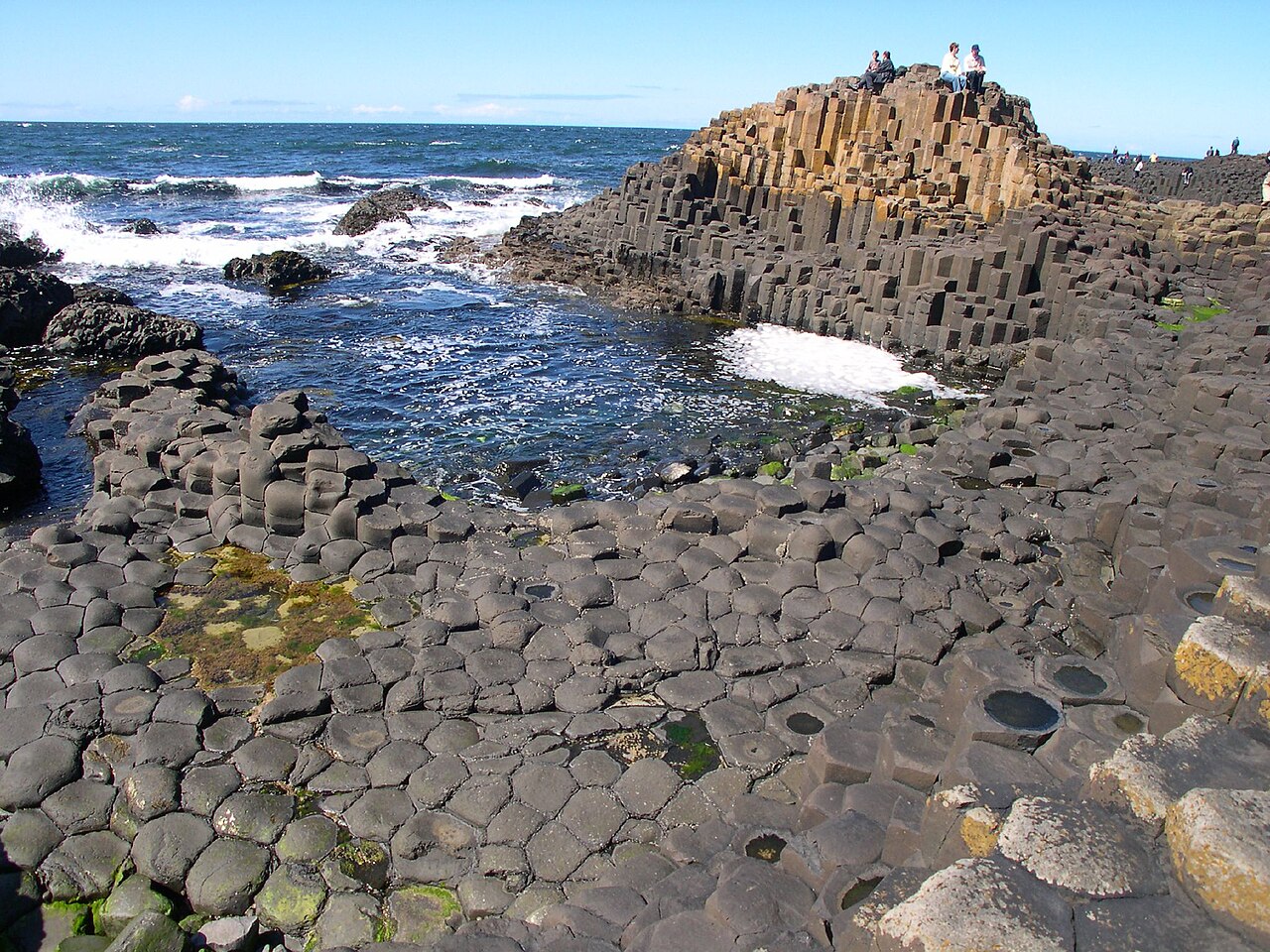
The Giant’s Causeway, by Photograph by code poet
code poet on flickr. / Wikimedia Commons · CC BY-SA 2.0

[IMAGE: The Giant’s Causeway, by Photograph by code poet]

The Giant’s Causeway

Photograph by code poet, Around 50–60 million years ago

On the coast of Northern Ireland, around 40,000 stone columns fit together like a giant's paving stones and step down into the sea. Many have six sides. They look built.

According to legend, they were: the giant Fionn mac Cumhaill built a causeway across the sea to Scotland to fight a rival giant.

The geological explanation is almost as remarkable. Tens of millions of years ago, lava flowed across the area. As thick layers of it cooled and shrank, they cracked into columns, in the same way mud cracks into polygons as it dries. Slow, even cooling produced these remarkably regular shapes.

There are similar columns at Fingal's Cave in Scotland — right where the legend says the causeway reached.

Look for

  • Columns with six sides, like a honeycomb
  • Steps leading down into the sea
  • Some columns with four, five, seven or eight sides
🌹 Dead radio

Choose a theme

🎵 Ambient mode

Every sound here is synthesised live in your browser — no recordings, no tracking, nothing plays until you press a button.

🌹 Grateful Dead — endlessLive shows from the Internet Archive, chained forever — by show or on shuffle. Plays right here and keeps going while you browse.
Bring your own music

Play something you have the right to listen to. A local file never leaves your device. Internet Archive identifiers load the Archive's own player — its Live Music Archive hosts recordings shared with the artists' permission.

Keyboard shortcuts

R
Random article
A
The archive
T
Next theme
S
Save this article
N
Next article
B
I'm bored
+ / -
Text size
?
This list