Trying 128.141.201.74...
Connected to info.stonered.
Escape character is '^]'.

StoneRed

The StoneRed project (SR) is a wide-area curiosity retrieval initiative aiming to give universal access to one interesting document per day.

Everything there is online about SR is linked directly or indirectly to this document, including an executive summary of the project, the document archive, today's SR news and other appearances.

Today's document
The one interesting thing for Monday, October 5, 2026.
What's out there?
Pointers to every previous document, by subject and date.
Arbitrary document
Retrieves a document at random. Results not guaranteed.
Bored
A recommendation, for users with nothing to do.
Exhibition
Pictures, by artists both dead and very dead. Viewing requires imagination.
Bulletin board
Pictures and sounds posted by other users of this system.
Your documents
Documents kept on this machine.
Audio
Experimental. Requires a loudspeaker and the patience of a saint.
Help
Change how documents are displayed. Recommended for users arriving from the future.

Monday, October 5, 2026 Today's interesting thing
StoneRed STONERED ONLINE

You came here to read one thing. You left knowing something you didn't know before.THE INTERNET'S MOST UNNECESSARILY INTERESTING DAILY READING MATERIAL

THIS SITE IS UNDER CONSTRUCTION (it has been since 1996)

The Gallery / Cosmos

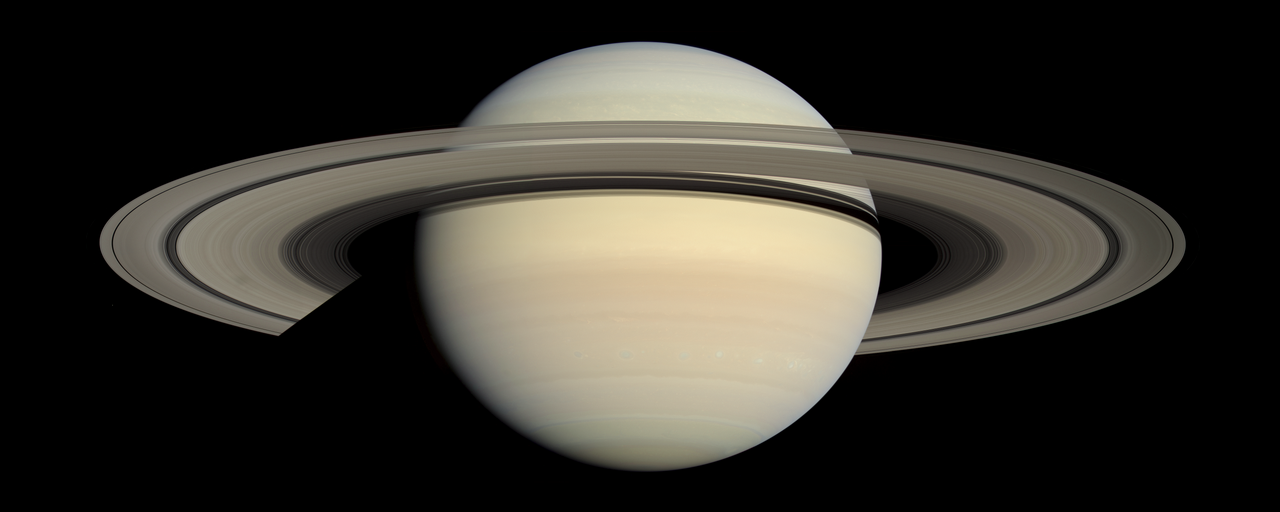
Saturn from Cassini, by NASA / JPL-Caltech / Space Science Institute
NASA / JPL-Caltech / SSI / color composite by Gordan Ugarkovic / Wikimedia Commons · Public domain

[IMAGE: Saturn from Cassini, by NASA / JPL-Caltech / Space Science Institute]

Saturn from Cassini

NASA / JPL-Caltech / Space Science Institute, Cassini mission (2004–2017)

The Cassini spacecraft reached Saturn in 2004 and spent thirteen years orbiting it — studying the planet, its rings and its moons, and sending back hundreds of thousands of pictures.

The rings are enormous — wider than the distance between Earth and the Moon — but in many places only tens of metres thick. They're made of countless pieces of ice and rock, from specks of dust to chunks as big as houses.

Cassini discovered geysers of water shooting from the small moon Enceladus, suggesting an ocean beneath its icy crust. To make sure the spacecraft could never crash into such a moon and contaminate it, NASA sent Cassini plunging into Saturn itself on 15 September 2017. It sent data back until the very end.

Look for

  • The shadow of the planet falling across the rings
  • The thin dark gaps between rings
  • The pale gold bands of cloud
🌹 Dead radio

Choose a theme

🎵 Ambient mode

Every sound here is synthesised live in your browser — no recordings, no tracking, nothing plays until you press a button.

🌹 Grateful Dead — endlessLive shows from the Internet Archive, chained forever — by show or on shuffle. Plays right here and keeps going while you browse.
Bring your own music

Play something you have the right to listen to. A local file never leaves your device. Internet Archive identifiers load the Archive's own player — its Live Music Archive hosts recordings shared with the artists' permission.

Keyboard shortcuts

R
Random article
A
The archive
T
Next theme
S
Save this article
N
Next article
B
I'm bored
+ / -
Text size
?
This list