Music The Story
The Band That Let Fans Record Everything
Most bands banned fans from recording their concerts. The Grateful Dead gave them their own section of the arena. The result was a vast, fan-made archive of thousands of live shows — traded through the post for decades and now free online.
At most big rock concerts in the 1970s and 80s, if security caught you with a tape recorder, they took it away. Record companies and bands worried that bootleg recordings would cost them money.
At a Grateful Dead concert, things were different. Behind the soundboard, in the middle of the crowd, a forest of microphone stands rose into the air. Fans with tape decks, headphones and cables sat in a special area, carefully recording every note.
They were called tapers. And the band had invited them.
A band built for live shows
The Grateful Dead formed in California in 1965. They released studio albums, but their real home was the stage. They played thousands of concerts over thirty years, and no two were the same. They changed their set lists every night, stretched songs into long improvisations and moved from one song to another without stopping.
For their fans, called Deadheads, that meant every show was unique. Some followed the band from city to city on tour. And many wanted to capture each night's music, to listen again and compare.
Every show was different. So the fans wanted to keep every show.
Tolerated, then welcomed
In the early years, fans recorded shows secretly. The band and its crew mostly tolerated them. Sometimes, tapers' microphones blocked the view of other fans, causing arguments.
Around 1984, the band found a solution: an official tapers' section. Fans with recording tickets could set up their equipment in a designated area behind the soundboard, where the sound was usually best. It was a remarkable decision. Few major bands have ever done anything like it.
FACT Established by documentary or physical evidence.
The rules
The Grateful Dead allowed fans to record and share their concerts, but with an important condition: no selling. Tapes were to be traded, not sold for profit. The community took this rule seriously.
The great tape network
Before the internet, tapers built a vast network for trading. They exchanged lists of the shows they had, traded by mail and copied tapes for each other. Some offered "blanks and postage" — if you sent them blank tapes and return postage, they would copy shows for you for free.
Each copy of a cassette lost a little quality, so the "generation" of a tape mattered. A first-generation copy, made directly from the original recording, was prized. Deadheads kept careful notes about the source and lineage of each recording.
The network spread the band's music far beyond the concert halls. Many fans first heard the Grateful Dead through a tape passed along by a friend.
Did it hurt sales?
The music industry assumed that free recordings would damage record sales. The Grateful Dead's experience suggested the opposite. The tapes helped build a passionate fan base that bought tickets, merchandise and official albums. The band became one of the highest-grossing touring acts of its era.
Business writers have since pointed to the Dead as an early example of a strategy common online today: give some of your work away for free to build a community, then earn money in other ways.
The archive
When the internet arrived, tapers began to digitise their collections and share them online. Today, the Internet Archive's Live Music Archive holds thousands of Grateful Dead concert recordings, available to stream for free.
In 2005, there was controversy when the recordings were briefly removed. After an outcry from fans, a compromise was reached: audience recordings could still be downloaded, while soundboard recordings could be streamed.
FACT Established by documentary or physical evidence.
A national treasure
In 2011, the US Library of Congress added the Grateful Dead's concert of 8 May 1977 at Barton Hall, Cornell University, to the National Recording Registry, which preserves recordings of cultural importance. For years, the show was known mainly through tapes traded among fans.
A model for others
Other bands have followed the Dead's example. Groups such as Phish, Pearl Jam and many jam bands allow or encourage audience taping, and some sell official recordings of every show.
The tapers' legacy is a record of a band's entire life on stage, captured not by a record company but by its fans. It is one of the largest archives of live music ever created — built out of love, cassettes and the post.
You learned this today!!! YOU LEARNED THIS TODAY !!!
- Fans who recorded live concerts were called "tapers", and the Grateful Dead were famous for allowing them.
- From the mid-1980s, the band set aside a special tapers' section behind the soundboard at many shows.
- Tapers shared recordings freely, and the community's rule was that tapes should be traded, not sold.
- Thousands of Grateful Dead concert recordings are now freely available on the Internet Archive.
- A recording of the band's 8 May 1977 concert at Cornell University was added to the US Library of Congress's National Recording Registry.
One more thing
Scotland's national animal is the unicorn.
→ Read something elseSources & further reading
- Taper (concert), Wikipedia
- Grateful Dead, Live Music Archive, Internet Archive
- National Recording Registry 2011, Library of Congress
StoneRed separates fact, hypothesis and speculation. Spotted an error? We'd genuinely like to know.
If you liked this…
 Psychology · The Person
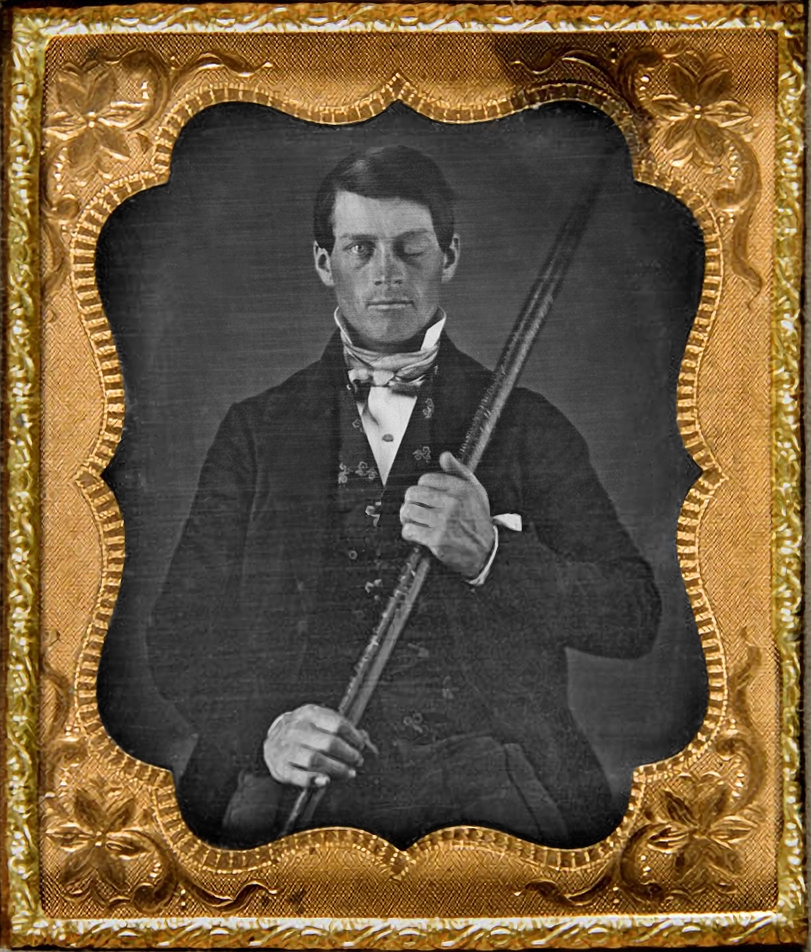
The Man With a Hole in His Head
In 1848, an iron rod more than a metre long shot through Phineas Gage's skull. He sat up, talked, and lived for another eleven years — and became the most famous patient in the history of neuroscience.
The connection: A completely different corner of the archive: psychology.
 Aviation · The Story
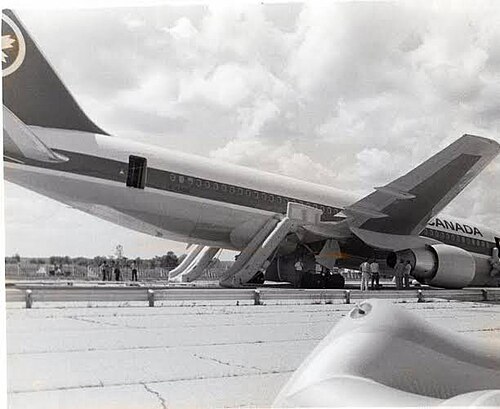
The Day a Jet Ran Out of Fuel at 41,000 Feet
In 1983, an almost brand-new Boeing 767 ran completely dry over Canada. The pilots had to glide it down to an abandoned air base — which, unknown to them, was hosting a family racing day.
The connection: A completely different corner of the archive: aviation.
 Random · The Question
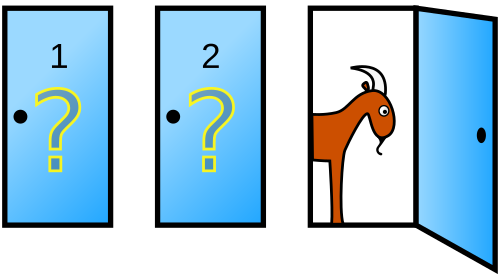
The Goat Behind Door Number Three
In 1990, a magazine columnist answered a simple puzzle about a game show. Thousands of readers, including mathematicians, wrote in to tell her she was wrong. She wasn't.
The connection: A completely different corner of the archive: random.