History The Timeline
The Day a Ship Destroyed a City
On 6 December 1917, a burning munitions ship exploded in the harbour of Halifax, Nova Scotia. It was the largest human-made explosion before the atomic bomb.
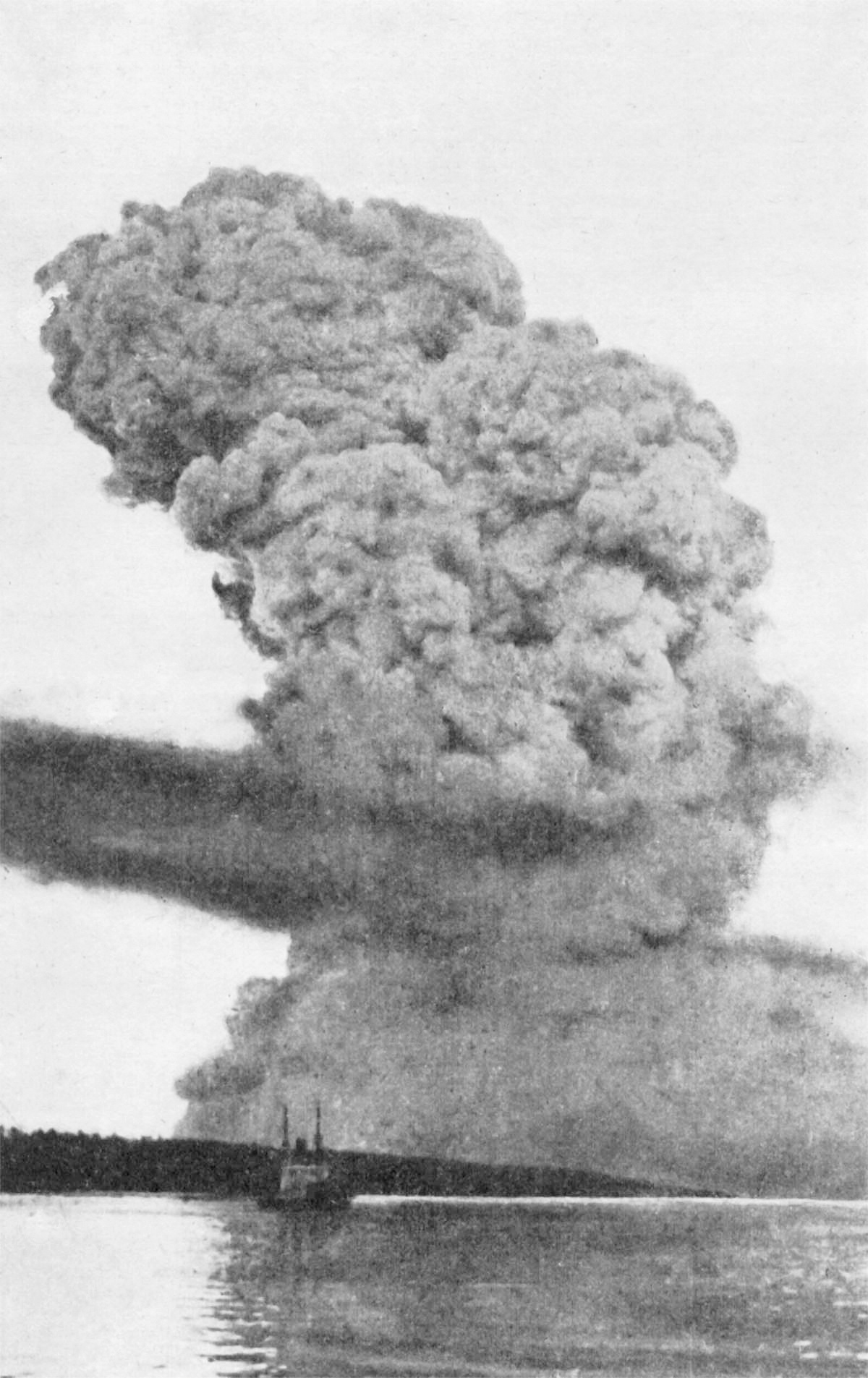
[IMAGE: The huge mushroom-shaped cloud rising over Halifax after the Mont-Blanc exploded] (Unknown author / Wikimedia Commons, Public domain; opens as a separate document)

In December 1917, the port of Halifax, Nova Scotia, was one of the busiest in the world. The First World War was raging, and ships packed with troops and supplies came and went constantly across the Atlantic.
On the morning of 6 December, one of them was a French cargo ship, the SS Mont-Blanc. It was carrying roughly 2,900 tonnes of explosives, including picric acid and TNT, with drums of benzol stacked on deck.
The morning of 6 December 1917
- Around 8:45 a.m.In the Narrows, the tight channel of Halifax Harbour, the Mont-Blanc collides with the Norwegian ship SS Imo.
- Minutes laterBenzol on the Mont-Blanc's deck catches fire. The crew, knowing what is below, abandon ship and row for the shore.
- Just before 9:05The burning ship drifts toward the Halifax waterfront. Crowds gather to watch the fire.
- 9:04–9:05 a.m.The Mont-Blanc explodes.
The blast
The explosion was the largest human-made explosion in history until the first atomic bomb test in 1945. It destroyed much of the Richmond district of Halifax, flattened buildings, and threw debris for kilometres; part of the Mont-Blanc's anchor was found more than three kilometres away. A tsunami surged through the harbour.
Many of the injuries came from glass. People who had gathered at windows to watch the fire were hit by flying shards, and hundreds were blinded or partially blinded.
Around 2,000 people were killed and about 9,000 injured.
Many of the victims had simply walked to the window to see what was burning.
Help from Boston
That night, a blizzard hit the shattered city. Help came from across Canada and beyond — and especially from Boston, which quickly sent a relief train with doctors, nurses and supplies.
FACT Established by documentary or physical evidence.
A thank-you, every year
Since 1971, Nova Scotia has sent a large Christmas tree to Boston every year as a thank-you for the city's help in 1917. It stands on Boston Common.
You learned this today!!! YOU LEARNED THIS TODAY !!!
- On 6 December 1917, the French cargo ship SS Mont-Blanc, loaded with explosives, collided with the Norwegian ship SS Imo in Halifax Harbour.
- The Mont-Blanc caught fire and exploded about 20 minutes later.
- Around 2,000 people were killed and about 9,000 injured.
- It was the largest human-made explosion before the first nuclear weapons.
- Every year, Nova Scotia sends a Christmas tree to Boston to thank the city for its help after the disaster.
One more thing
The Moon drifts about 3.8 centimetres further away from Earth every year.
→ Read something elseSources & further reading
- Halifax Explosion, Wikipedia
- Bird, Michael J. The Town That Died, Souvenir Press, 1962
- Halifax Explosion, Canadian Encyclopedia
StoneRed separates fact, hypothesis and speculation. Spotted an error? We'd genuinely like to know.
If you liked this…
 History · The Strange Case
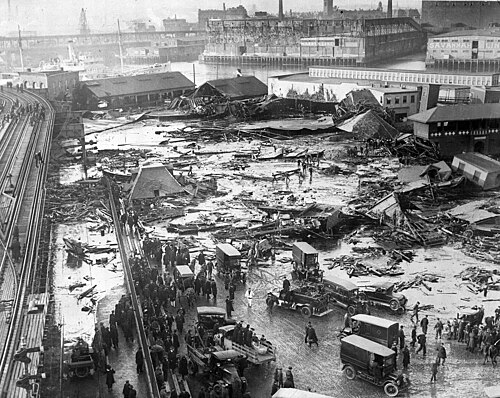
The Day Boston Drowned in Molasses
On a mild January afternoon in 1919, a giant tank burst and sent a wave of syrup through the streets of Boston's North End. It sounds like a cartoon. It killed 21 people.
The connection: Another disaster just over a year later — and Boston again.
 History · The Strange Case
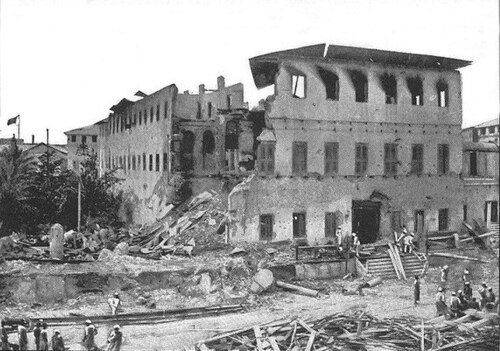
The War That Lasted Less Than an Hour
On a summer morning in 1896, Britain and Zanzibar fought an entire war before most people had finished breakfast. Then came the bill.
The connection: Seconds and minutes that changed a place forever.
 Geography · The Strange Case
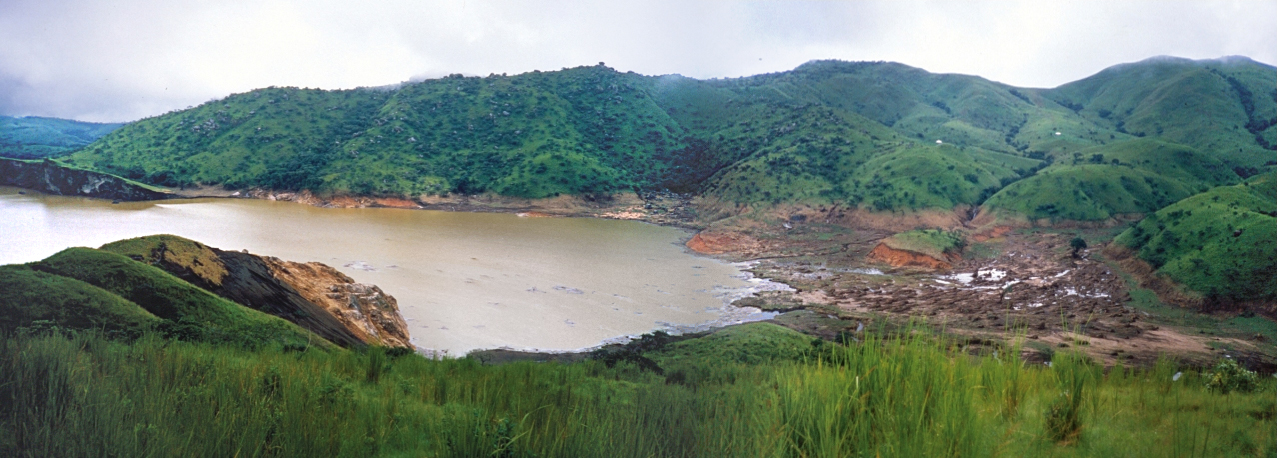
The Lake That Exploded
One night in 1986, a peaceful crater lake in Cameroon released an invisible cloud that rolled down into the valleys and killed 1,746 people in their sleep.
The connection: Disasters that arrive almost without warning.