Mysteries The Theory
The Ghost Ship Mary Celeste
In December 1872, a ship was found sailing on its own in the Atlantic, intact and seaworthy, with no one on board. The real mystery is smaller than the legend — and the legend was partly invented by Arthur Conan Doyle.
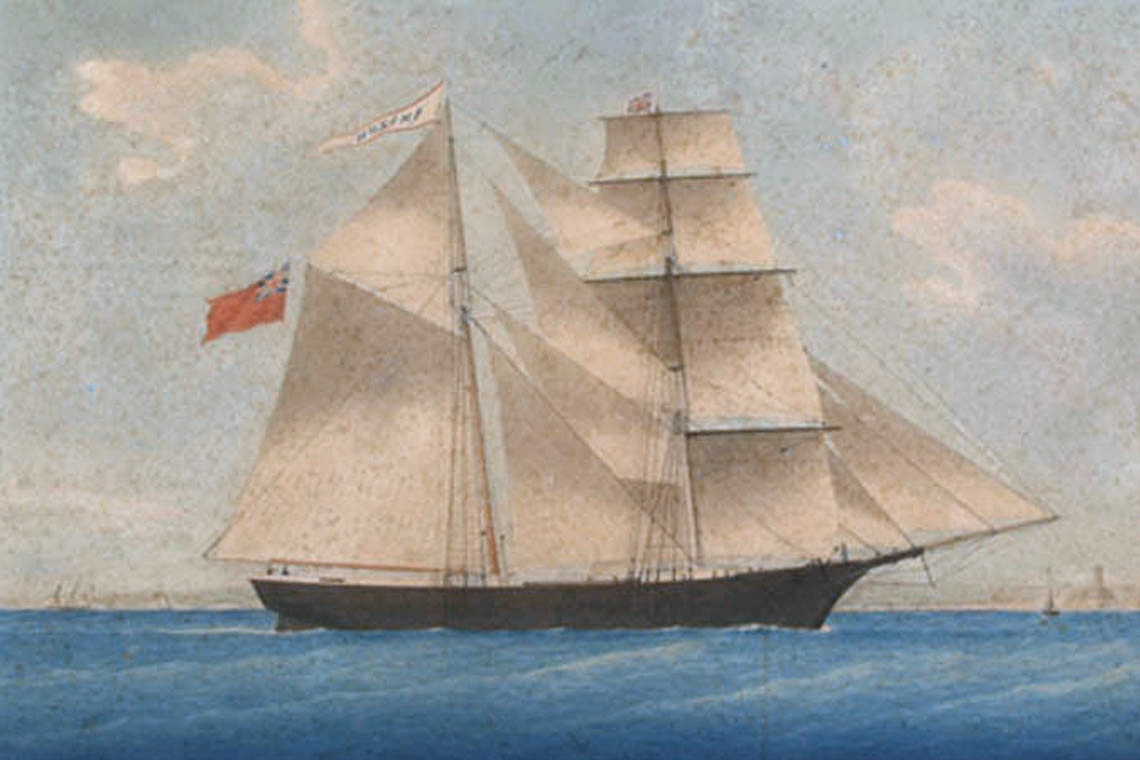
[IMAGE: Painting of the brigantine that later became the Mary Celeste, under sail] (Unconfirmed, possibly Honore Pellegrin (1800–c.1870). This speculative attributi / Wikimedia Commons, Public domain; opens as a separate document)
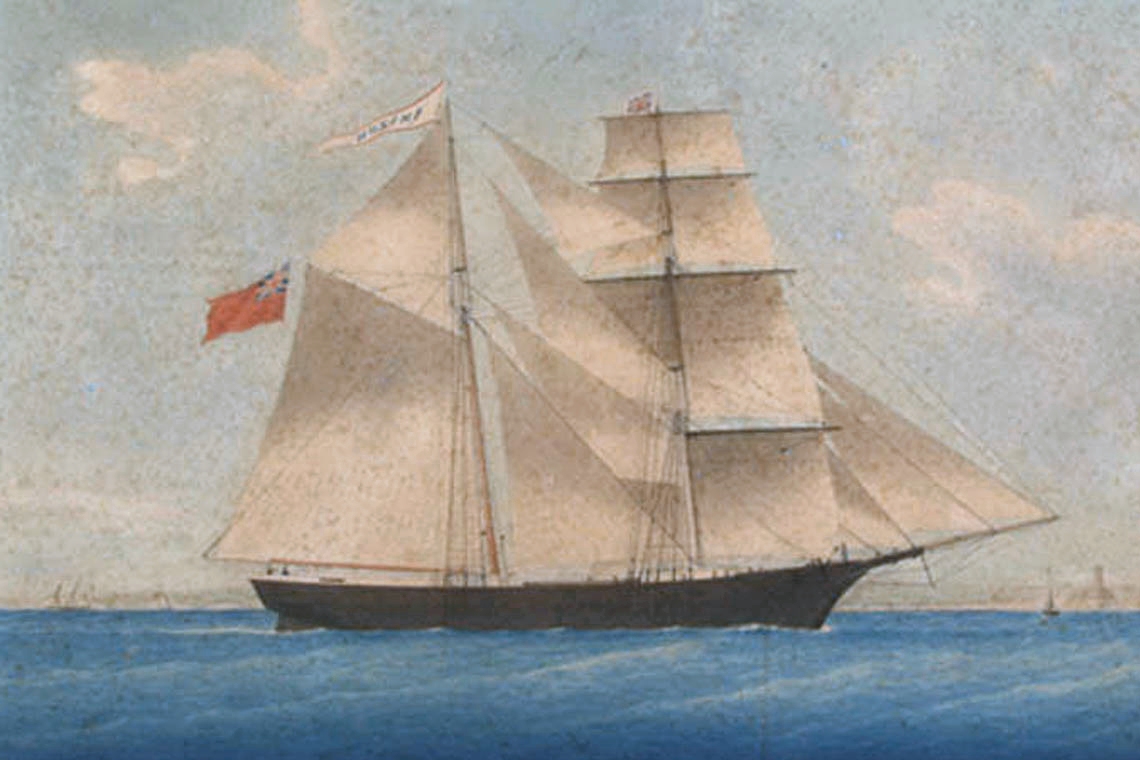
On 4 December 1872, the crew of the British ship Dei Gratia spotted another vessel in the Atlantic, between the Azores and the coast of Portugal. It was sailing erratically. No one was at the wheel.
It was the American brigantine Mary Celeste, which had left New York a month earlier carrying 1,701 barrels of industrial alcohol to Genoa. On board had been Captain Benjamin Briggs, his wife Sarah, their two-year-old daughter Sophia, and seven crew.
When the Dei Gratia's men boarded, they found nobody.
What they found
The ship was in reasonable condition. There was water in the hold, but she was seaworthy. There were six months' supply of food and fresh water. The crew's belongings were still there. The cargo was mostly intact.
But the single lifeboat was gone. The ship's chronometer and navigation instruments were missing. Some hatches were open.
Everyone had left in a hurry — and never been seen again.
The legend
In 1884, a young doctor named Arthur Conan Doyle published a story, J. Habakuk Jephson's Statement, about a ship he called the Marie Celeste. It included dramatic details — half-eaten meals still on the table, warm tea in cups — that were invented. The story was hugely popular, and many readers took it as fact.
What happened?
HYPOTHESIS A credible explanation that some experts support, not proven.
Fear of an explosion
One widely discussed explanation is that some of the alcohol barrels leaked fumes. Nine of the barrels were later found empty. Perhaps the captain, fearing an explosion, ordered everyone into the lifeboat, tied to the ship by a line, to wait at a safe distance — and the line parted, leaving them adrift as the ship sailed away. This fits the evidence, but it can't be proven.
HYPOTHESIS A credible explanation that some experts support, not proven.
Fear of sinking
Another possibility is that a faulty pump or a misreading of the water in the hold made Briggs think the ship was sinking faster than it was. Evidence of a dismantled pump has been cited in support of this idea.
SPECULATION Possible, unproven, and labelled so you can enjoy it responsibly.
Piracy, mutiny, sea monsters
Theories involving pirates, mutiny, or insurance fraud by the Dei Gratia's crew have been examined and found unconvincing; valuables were left on board and there were no signs of violence. Sea monsters, waterspouts and the Bermuda Triangle — which is nowhere near where the ship was found — are entertainment, not evidence.
You learned this today!!! YOU LEARNED THIS TODAY !!!
- On 4 December 1872, the crew of the Dei Gratia found the Mary Celeste drifting between the Azores and Portugal with no one aboard.
- The ship was seaworthy, with plenty of food and water, and its cargo of alcohol mostly intact.
- The lifeboat was missing, suggesting the crew left in a hurry.
- Arthur Conan Doyle's 1884 story about the ship added invented details that became part of the legend.
- One leading hypothesis is that fumes from the alcohol cargo frightened the captain into abandoning ship.
One more thing
There are hundreds of liquid lakes hidden beneath the ice of Antarctica.
→ Read something elseSources & further reading
- Mary Celeste, Wikipedia
- Hicks, Brian. Ghost Ship: The Mysterious True Story of the Mary Celeste and Her Missing Crew, Ballantine, 2004
- Doyle, Arthur Conan. J. Habakuk Jephson's Statement, Cornhill Magazine, 1884
StoneRed separates fact, hypothesis and speculation. Spotted an error? We'd genuinely like to know.
If you liked this…
 Mysteries · The Theory
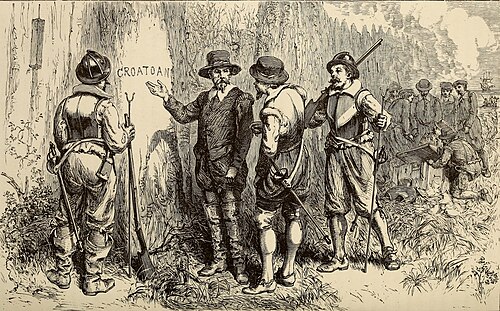
The Colony That Vanished
In 1590, John White returned to the English settlement on Roanoke Island to find everyone gone. The only clue was a single word carved into a post — "CROATOAN".
The connection: Another place where everyone simply disappeared.
 Mysteries · The Theory
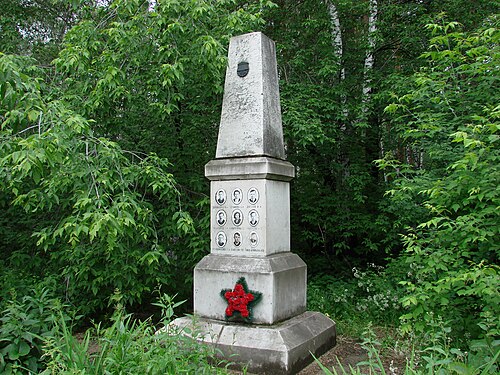
The Tent Cut Open From the Inside
In February 1959, nine experienced hikers died on a mountainside in the Soviet Urals after fleeing their tent into the snow, half-dressed. For sixty years, it fuelled wild theories. Science may finally have the answer.
The connection: A panicked decision in the dark.
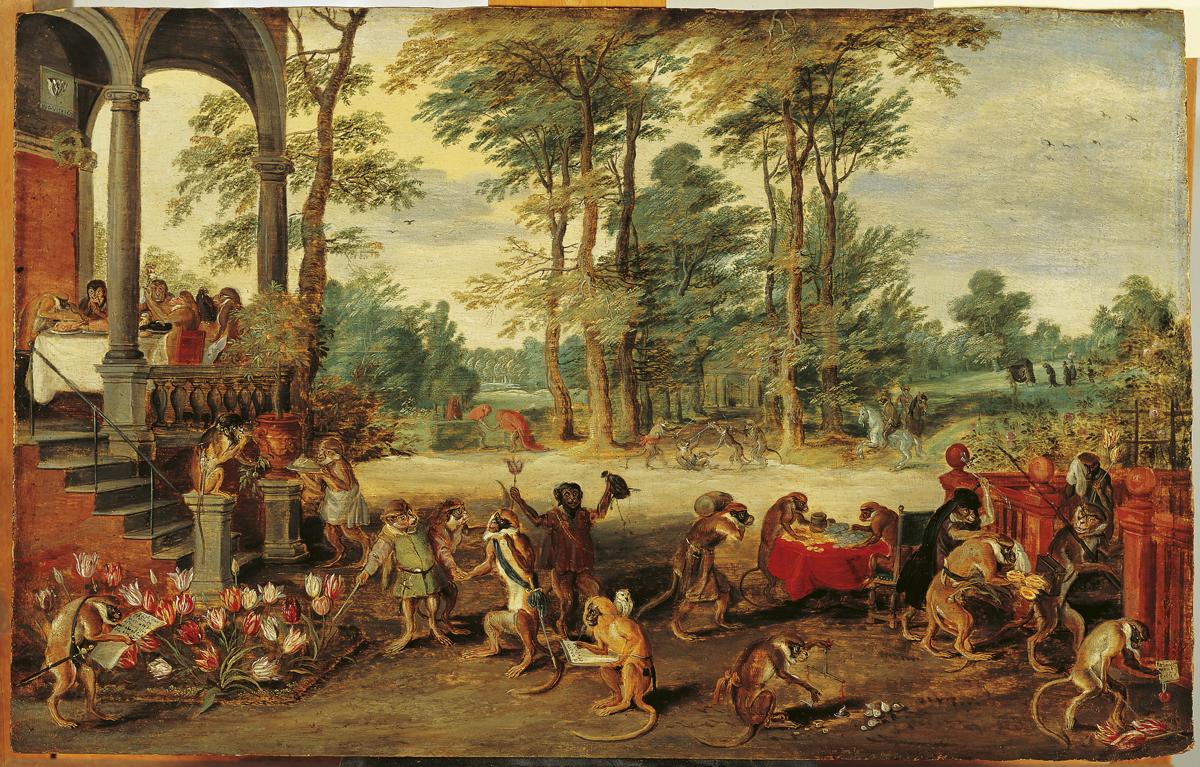 Economics · The Theory
When a Tulip Cost as Much as a House
Tulip mania is the most famous financial bubble in history — a tale of Dutch merchants ruined by flower bulbs. The real story is stranger, smaller, and much more interesting.
The connection: When a good story becomes "what everyone knows".