Economics The Theory
When a Tulip Cost as Much as a House
Tulip mania is the most famous financial bubble in history — a tale of Dutch merchants ruined by flower bulbs. The real story is stranger, smaller, and much more interesting.
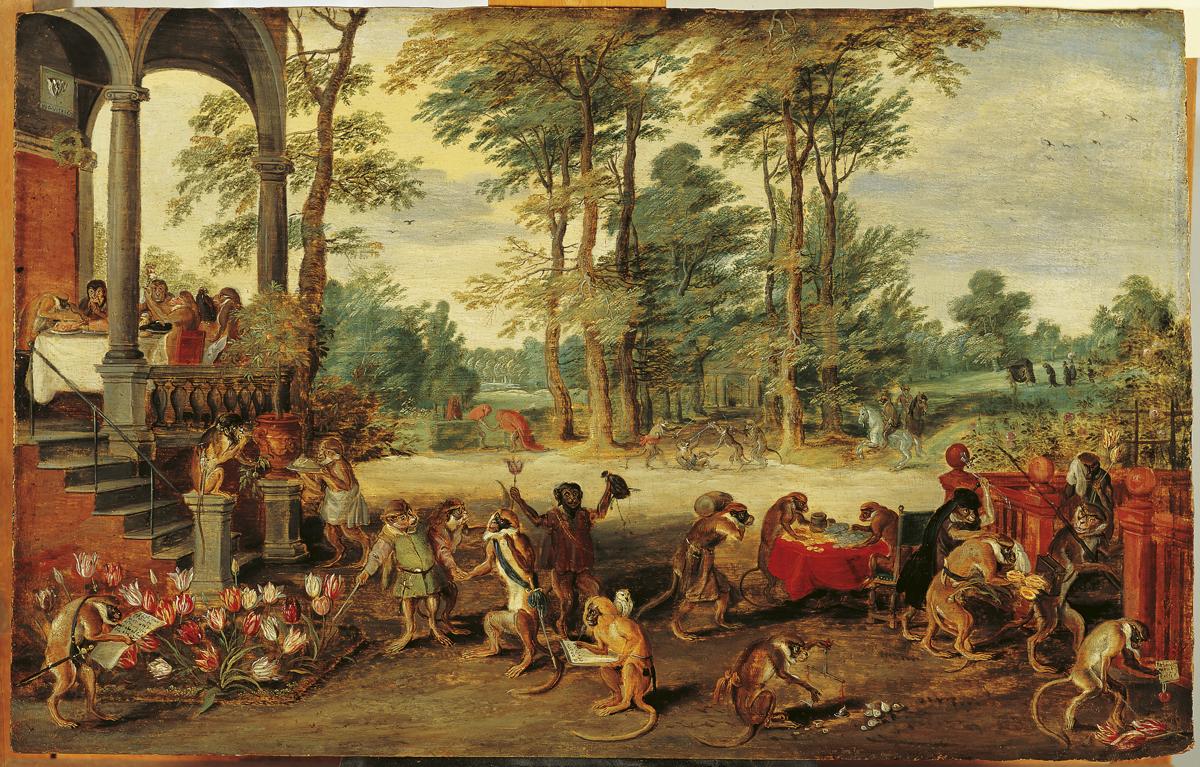
[IMAGE: Jan Brueghel the Younger’s painting satirising tulip mania, with monkeys dressed as speculators] (Jan Brueghel the Younger / Wikimedia Commons, Public domain; opens as a separate document)
![[IMAGE: Jan Brueghel the Younger’s painting satirising tulip mania, with monkeys dressed as speculators]](https://upload.wikimedia.org/wikipedia/commons/6/6a/Jan_Brueghel_the_Younger%2C_Satire_on_Tulip_Mania%2C_c._1640.jpg)
Every financial crash comes with a warning from history: remember tulip mania.
The story goes like this. In the 1630s, the Dutch went mad for tulips. Prices soared until a single bulb could be traded for a house, a carriage or a lifetime's wages. Ordinary people mortgaged everything. Then, in February 1637, the market collapsed overnight, ruining thousands and plunging the country into chaos.
It's a great story. Much of it probably isn't true.
Why tulips?
Tulips arrived in Europe from the Ottoman Empire in the sixteenth century and became luxury items. The most coveted were "broken" tulips, whose petals were streaked with flames and feathers of contrasting colour. Each was unique and unpredictable.
What we know
FACT Established by documentary or physical evidence.
The prices were real
Rare bulbs really did sell for extraordinary sums in the mid-1630s, and in the winter of 1636–37 trading in bulb contracts became frenzied. In early February 1637, buyers suddenly stopped turning up and prices collapsed.
What we don't
The dramatic version of tulip mania comes mostly from two sources: moralising pamphlets published right after the crash, which wanted to warn people about greed, and Charles Mackay's hugely popular 1841 book Extraordinary Popular Delusions and the Madness of Crowds, which drew on them.
HYPOTHESIS A credible explanation that some experts support, not proven.
A much smaller bubble
Historian Anne Goldgar spent years in Dutch archives looking for the ruined merchants and the economic devastation. She found remarkably little. The trade was concentrated among a fairly small group of well-off merchants and artisans, many contracts were never paid out, and there's little evidence that the crash damaged the wider Dutch economy, which kept booming.
The most famous financial bubble in history may be partly a moral fable that got passed down as fact.
You learned this today!!! YOU LEARNED THIS TODAY !!!
- In the 1630s, prices for rare tulip bulbs in the Dutch Republic rose dramatically, then collapsed in February 1637.
- The most prized bulbs had "broken" colours — flames and streaks caused, it was later discovered, by a virus.
- Popular accounts of ruined merchants and a national crash come largely from moralising pamphlets and a 19th-century book.
- Historian Anne Goldgar found little evidence of widespread bankruptcies.
One more thing
The Hundred Years' War lasted 116 years.
→ Read something elseSources & further reading
- Tulip mania, Wikipedia
- Goldgar, Anne. Tulipmania: Money, Honor, and Knowledge in the Dutch Golden Age, University of Chicago Press, 2007
- Mackay, Charles. Extraordinary Popular Delusions and the Madness of Crowds, 1841
StoneRed separates fact, hypothesis and speculation. Spotted an error? We'd genuinely like to know.
If you liked this…
 Nature · The Story
The Banana Your Grandparents Ate
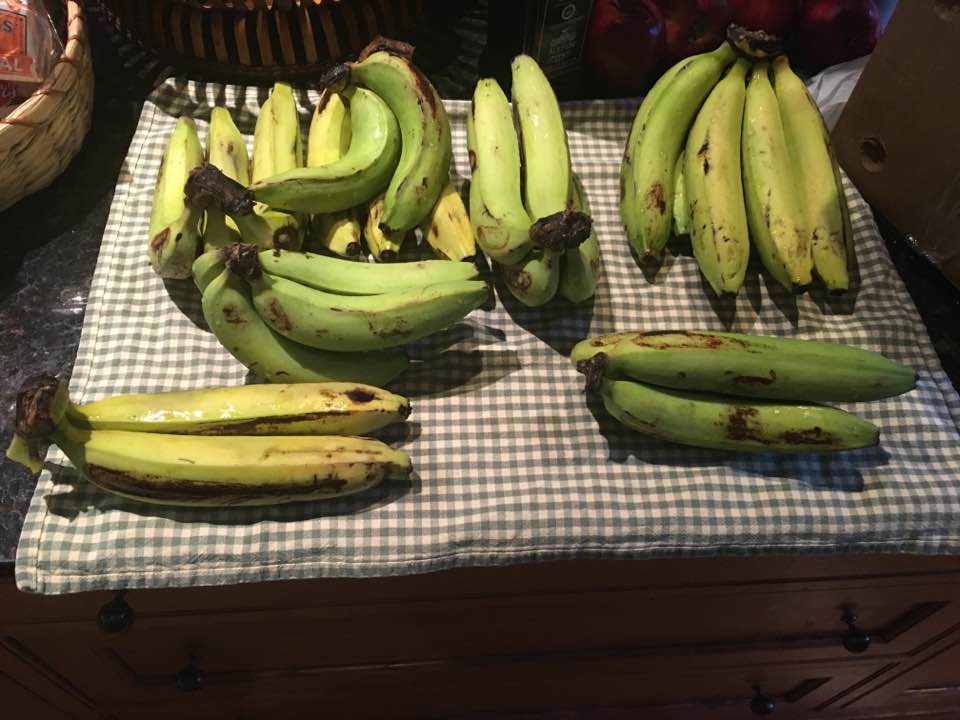
The banana in your kitchen isn't the one people ate in 1940. That one was wiped out by a fungus — and the replacement is under threat too.
The connection: Another story where a plant disease shaped an economy.
Nature · The Story
The Banana Your Grandparents Ate
The banana in your kitchen isn't the one people ate in 1940. That one was wiped out by a fungus — and the replacement is under threat too.
The connection: Another story where a plant disease shaped an economy.
 Weird · The Strange Case
The Summer Strasbourg Couldn't Stop Dancing
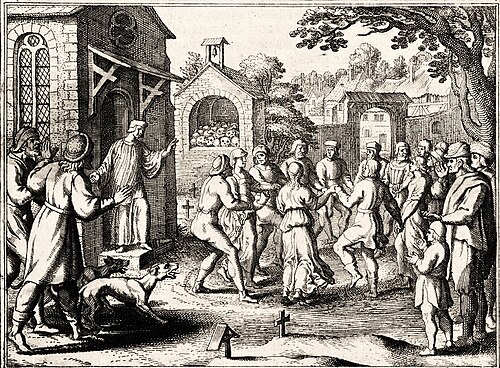
In July 1518, a woman stepped into a street and began to dance. Within weeks, dozens — perhaps hundreds — had joined her, and nobody could make them stop.
The connection: Was it really a mania, or have we been retelling a legend?
Weird · The Strange Case
The Summer Strasbourg Couldn't Stop Dancing
In July 1518, a woman stepped into a street and began to dance. Within weeks, dozens — perhaps hundreds — had joined her, and nobody could make them stop.
The connection: Was it really a mania, or have we been retelling a legend?
 Music · The Story
The Mixtape We Sent to the Stars
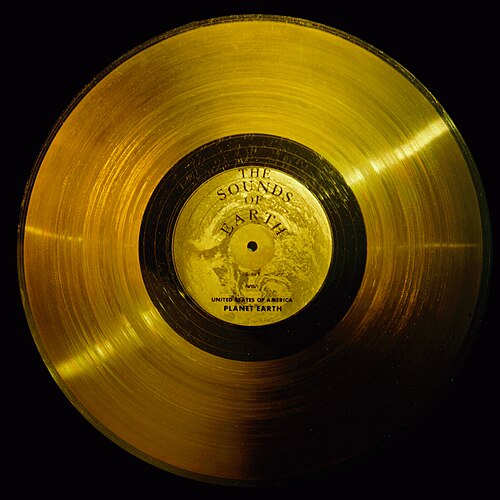
In 1977, NASA bolted a gold-plated record to each Voyager spacecraft — music, greetings and sounds of Earth, for anyone who might find it. Chuck Berry made the cut. So did a kiss.
The connection: A completely different corner of the archive: music.
Music · The Story
The Mixtape We Sent to the Stars
In 1977, NASA bolted a gold-plated record to each Voyager spacecraft — music, greetings and sounds of Earth, for anyone who might find it. Chuck Berry made the cut. So did a kiss.
The connection: A completely different corner of the archive: music.