Mysteries The Theory
The Tent Cut Open From the Inside
In February 1959, nine experienced hikers died on a mountainside in the Soviet Urals after fleeing their tent into the snow, half-dressed. For sixty years, it fuelled wild theories. Science may finally have the answer.
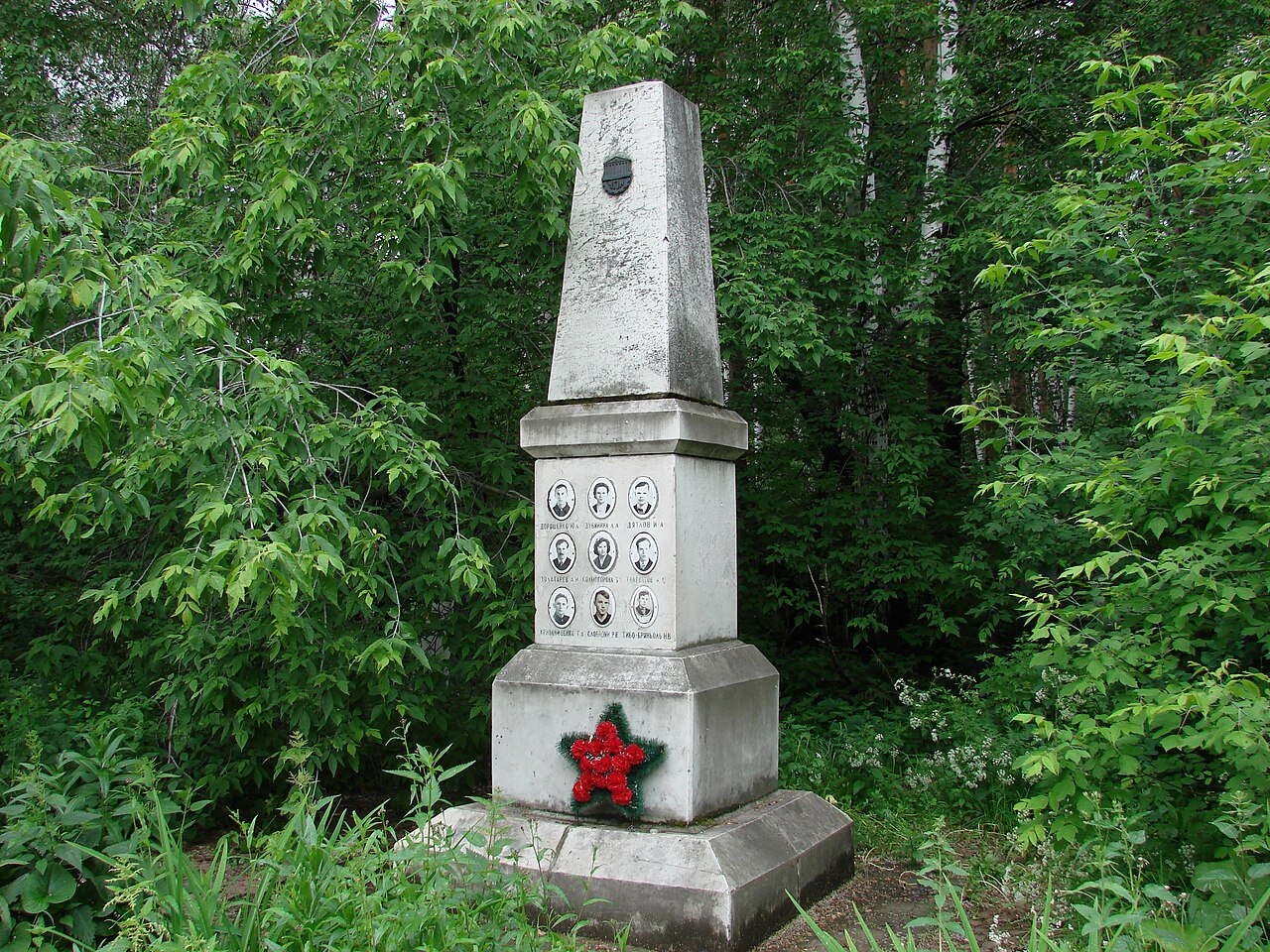
[IMAGE: The memorial to the Dyatlov group at the Mikhailovskoe cemetery in Yekaterinburg] (Дмитрий Никишин. The original uploader was Futball80 at Russian Wikipedia. / Wikimedia Commons, Public domain; opens as a separate document)
![[IMAGE: The memorial to the Dyatlov group at the Mikhailovskoe cemetery in Yekaterinburg]](https://upload.wikimedia.org/wikipedia/commons/thumb/5/52/%D0%9F%D0%B0%D0%BC%D1%8F%D1%82%D0%BD%D0%B8%D0%BA_%D0%B4%D1%8F%D1%82%D0%BB%D0%BE%D0%B2%D1%86%D0%B0%D0%BC_%D0%BD%D0%B0_%D0%9C%D0%B8%D1%85%D0%B0%D0%B9%D0%BB%D0%BE%D0%B2%D1%81%D0%BA%D0%BE%D0%BC_%D0%BA%D0%BB%D0%B0%D0%B4%D0%B1%D0%B8%D1%89%D0%B5.jpg/1280px-%D0%9F%D0%B0%D0%BC%D1%8F%D1%82%D0%BD%D0%B8%D0%BA_%D0%B4%D1%8F%D1%82%D0%BB%D0%BE%D0%B2%D1%86%D0%B0%D0%BC_%D0%BD%D0%B0_%D0%9C%D0%B8%D1%85%D0%B0%D0%B9%D0%BB%D0%BE%D0%B2%D1%81%D0%BA%D0%BE%D0%BC_%D0%BA%D0%BB%D0%B0%D0%B4%D0%B1%D0%B8%D1%89%D0%B5.jpg)
In late January 1959, a group of ten experienced hikers, mostly students and graduates of the Ural Polytechnic Institute, set out on a difficult winter trek in the northern Ural Mountains. Their leader was 23-year-old Igor Dyatlov. One member turned back early because of illness.
The other nine never returned.
What the search found
Weeks later, searchers found their tent on the slope of a mountain. It had been cut open from the inside. Footprints led away downhill — people in socks, a single shoe, or barefoot, walking in an orderly line, not running.
The bodies were found over the following months. Some were near the edge of a forest, about 1.5 kilometres away, by the remains of a small fire, in their underwear. Others had apparently tried to return to the tent and died of hypothermia.
Four were found last, in a ravine, buried under snow. Some had severe injuries: fractured skulls and ribs, as if hit by great force, but with little external damage.
Why would experienced hikers slash their way out of a tent and walk into a blizzard half-dressed?
The theories
For decades, the incident attracted every kind of explanation: secret military tests, a Yeti, attacks by local Mansi people, infrasound, UFOs, and more. Some of these were fuelled by the secrecy of the Soviet era and by strange-sounding details in the files.
SPECULATION Possible, unproven, and labelled so you can enjoy it responsibly.
The wild ones
There's no credible evidence for weapons tests, attackers, monsters or aliens. Many of the "strange" details have mundane explanations — for example, radiation traces on some clothing are consistent with one hiker's work background, and discoloured skin is typical of exposure and decomposition.
HYPOTHESIS A credible explanation that some experts support, not proven.
A small slab avalanche
In 2019–2020, Russian prosecutors reopened the case and concluded that an avalanche was responsible. Many people doubted it: the slope didn't look steep enough, and searchers didn't find obvious avalanche debris. Then, in 2021, scientists Johan Gaume and Alexander Puzrin published a study showing how the hikers' own campsite — dug into the slope — combined with wind-blown snow building up over hours could trigger a small slab avalanche. Using models, they showed that a slab of dense snow falling onto people lying on hard ground could cause the kind of chest and skull injuries found, without much external damage.
In this explanation, the hikers heard or felt snow pressing on the tent in the night, cut their way out in fear of a larger avalanche, and retreated toward the forest — planning to come back. In the dark, the cold and the wind, they couldn't.
You learned this today!!! YOU LEARNED THIS TODAY !!!
- In February 1959, nine hikers led by Igor Dyatlov died in the northern Ural Mountains.
- Their tent had been cut open from the inside, and they fled into the snow without proper clothing.
- Some bodies had severe injuries, which fuelled decades of theories.
- In 2019–2020, Russian prosecutors concluded an avalanche was to blame.
- A 2021 study in Communications Earth & Environment showed how a small slab avalanche could explain the evidence.
One more thing
Koalas have fingerprints so similar to human ones that they can be hard to tell apart under a microscope.
→ Read something elseSources & further reading
- Dyatlov Pass incident, Wikipedia
- Gaume, J. & Puzrin, A. M. Mechanisms of slab avalanche release and impact in the Dyatlov Pass incident in 1959, Communications Earth & Environment, 2021
- Eichar, Donnie. Dead Mountain: The Untold True Story of the Dyatlov Pass Incident, Chronicle Books, 2013
StoneRed separates fact, hypothesis and speculation. Spotted an error? We'd genuinely like to know.
If you liked this…
 Mysteries · The Theory
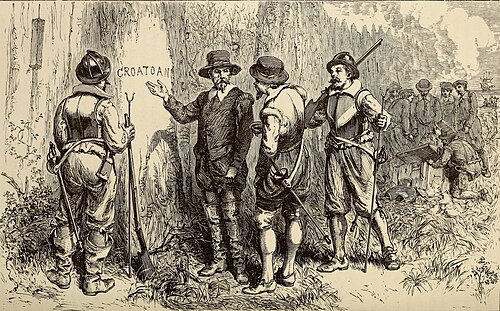
The Colony That Vanished
In 1590, John White returned to the English settlement on Roanoke Island to find everyone gone. The only clue was a single word carved into a post — "CROATOAN".
The connection: A mystery where the simplest answer took longest to accept.
Mysteries · The Theory
The Colony That Vanished
In 1590, John White returned to the English settlement on Roanoke Island to find everyone gone. The only clue was a single word carved into a post — "CROATOAN".
The connection: A mystery where the simplest answer took longest to accept.
 Space · The Theory
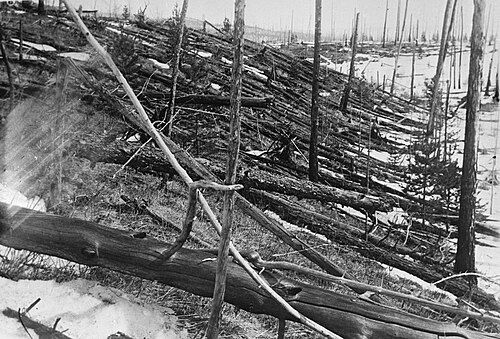
The Explosion That Flattened a Forest
In 1908, something exploded above a remote Siberian forest with the force of a large nuclear weapon. It flattened about 80 million trees. No crater was ever found.
The connection: Russia's remote wilderness keeps some extraordinary secrets.
Space · The Theory
The Explosion That Flattened a Forest
In 1908, something exploded above a remote Siberian forest with the force of a large nuclear weapon. It flattened about 80 million trees. No crater was ever found.
The connection: Russia's remote wilderness keeps some extraordinary secrets.
 Weird · The Strange Case
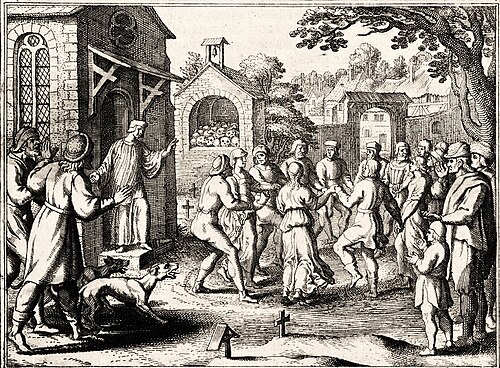
The Summer Strasbourg Couldn't Stop Dancing
In July 1518, a woman stepped into a street and began to dance. Within weeks, dozens — perhaps hundreds — had joined her, and nobody could make them stop.
The connection: When panic makes people do things that look inexplicable.
Weird · The Strange Case
The Summer Strasbourg Couldn't Stop Dancing
In July 1518, a woman stepped into a street and began to dance. Within weeks, dozens — perhaps hundreds — had joined her, and nobody could make them stop.
The connection: When panic makes people do things that look inexplicable.