History The Strange Case
The Pope Who Put a Corpse on Trial
In 897, Pope Stephen VI had the body of his predecessor dug up, dressed in papal robes, propped on a throne — and prosecuted.
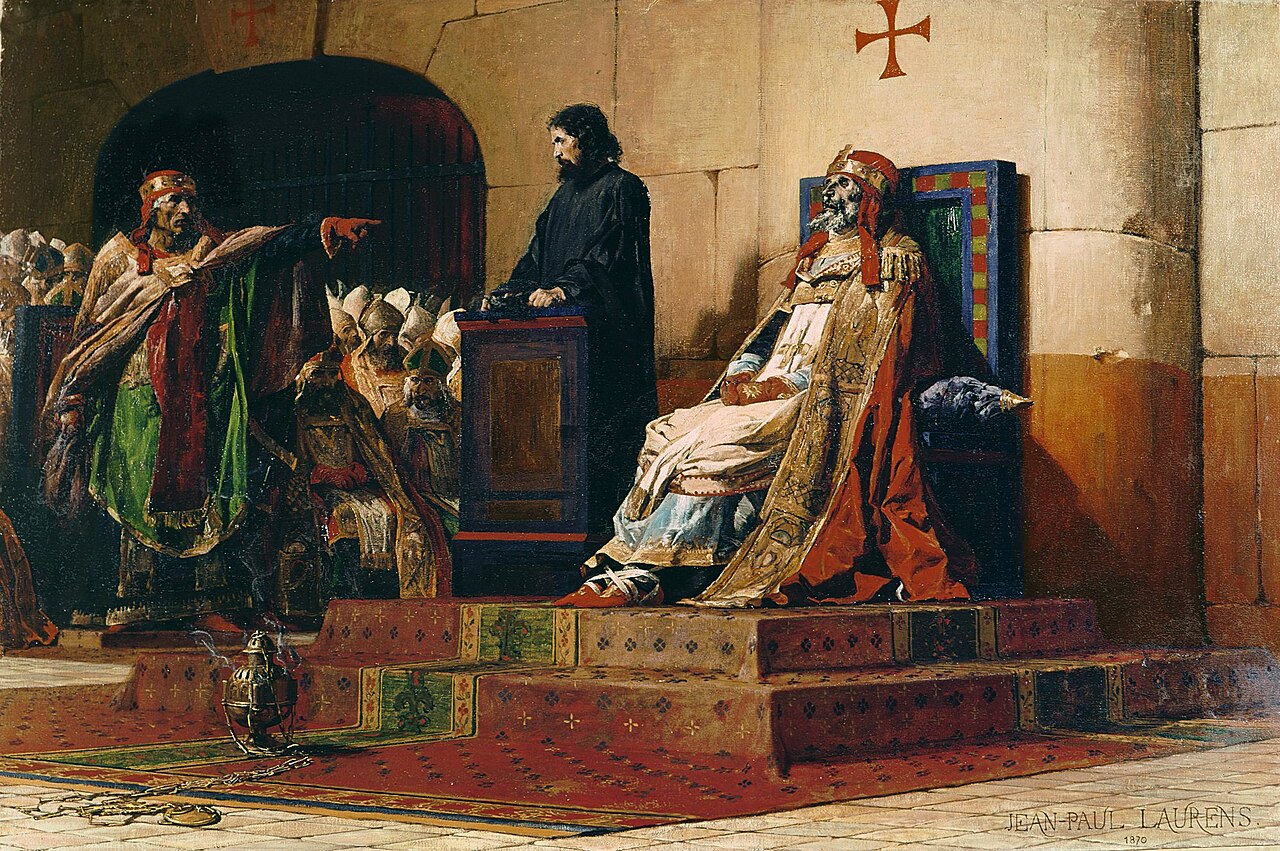
[IMAGE: Jean-Paul Laurens’s painting of Pope Stephen VI accusing the corpse of Pope Formosus] (Jean-Paul Laurens / Wikimedia Commons, Public domain; opens as a separate document)
![[IMAGE: Jean-Paul Laurens’s painting of Pope Stephen VI accusing the corpse of Pope Formosus]](https://upload.wikimedia.org/wikipedia/commons/thumb/b/bf/Jean_Paul_Laurens_Le_Pape_Formose_et_Etienne_VI_1870.jpg/1280px-Jean_Paul_Laurens_Le_Pape_Formose_et_Etienne_VI_1870.jpg)
In January 897, in the Lateran Basilica in Rome, a trial began. The defendant was a former pope named Formosus.
He had been dead for about nine months.
On the orders of the new pope, Stephen VI, Formosus's body was dug up, dressed in full papal vestments and propped up on a throne to face his accusers. Because a corpse can't speak in its own defence, a young deacon was appointed to stand beside it and answer for him.
This is the event history remembers as the Cadaver Synod.
Why would anyone do this?
Rome in the late ninth century was a political battlefield. Powerful families and rival factions fought over the papacy, which brought enormous wealth, land and influence. Popes came and went with alarming speed, and many of them died violently.
Formosus had made enemies. Among other things, he had crowned a rival claimant as emperor, angering a powerful faction that Stephen VI supported. Putting Formosus on trial was a way to declare his entire reign illegitimate — and with it every appointment and decision he had made.
The verdict was never in doubt. The defendant didn't say a word.
The sentence
The court found Formosus guilty, including of having become pope illegally. His papacy was declared null. The three fingers of his right hand that he had used to give blessings were cut off. His body was stripped of its vestments, buried in a common grave, then dug up again and thrown into the River Tiber.
The backlash
The spectacle horrified Rome. Within months, a revolt broke out. Stephen VI was deposed, thrown into prison, and strangled there in the summer of 897.
Later popes reversed the verdict and declared the trial void, and church authorities eventually banned putting dead people on trial at all.
You learned this today!!! YOU LEARNED THIS TODAY !!!
- In January 897, Pope Stephen VI held a trial of the exhumed corpse of Pope Formosus, known as the Cadaver Synod.
- A deacon was appointed to answer the charges on the dead pope's behalf.
- The corpse was found guilty; its papal acts were declared void and its blessing fingers cut off.
- Formosus's body was thrown into the River Tiber.
- Stephen VI himself was deposed, imprisoned and strangled later the same year.
One more thing
Tardigrades — microscopic "water bears" — have survived direct exposure to the vacuum of space.
→ Read something elseSources & further reading
- Cadaver Synod, Wikipedia
- Pope Formosus, Wikipedia
- Pope Stephen VI, Wikipedia
StoneRed separates fact, hypothesis and speculation. Spotted an error? We'd genuinely like to know.
If you liked this…
 History · The Strange Case
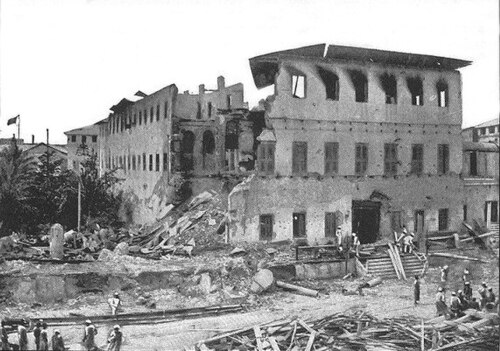
The War That Lasted Less Than an Hour
On a summer morning in 1896, Britain and Zanzibar fought an entire war before most people had finished breakfast. Then came the bill.
The connection: Politics so extreme it becomes absurd.
History · The Strange Case
The War That Lasted Less Than an Hour
On a summer morning in 1896, Britain and Zanzibar fought an entire war before most people had finished breakfast. Then came the bill.
The connection: Politics so extreme it becomes absurd.
 Weird · The Strange Case
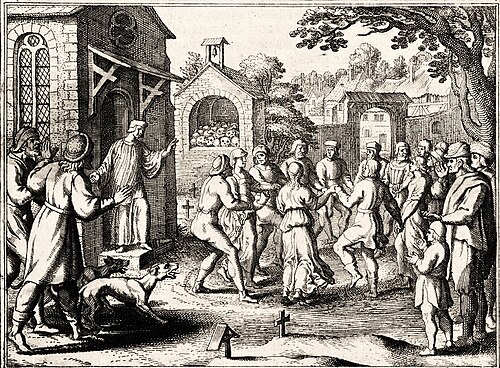
The Summer Strasbourg Couldn't Stop Dancing
In July 1518, a woman stepped into a street and began to dance. Within weeks, dozens — perhaps hundreds — had joined her, and nobody could make them stop.
The connection: When an entire society seems to lose its mind for a while.
Weird · The Strange Case
The Summer Strasbourg Couldn't Stop Dancing
In July 1518, a woman stepped into a street and began to dance. Within weeks, dozens — perhaps hundreds — had joined her, and nobody could make them stop.
The connection: When an entire society seems to lose its mind for a while.
 Art · The Rabbit Hole
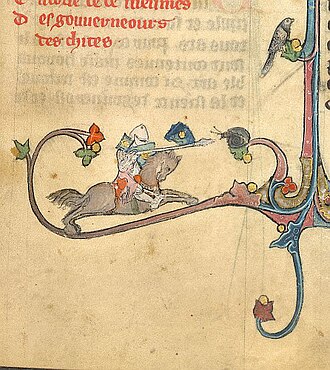
Why Medieval Knights Keep Fighting Snails
Open certain 13th- and 14th-century manuscripts and you'll find armoured knights in desperate combat with garden snails. It's one of art history's best running jokes — and it goes much deeper than snails.
The connection: The Middle Ages were stranger than the textbooks let on.
Art · The Rabbit Hole
Why Medieval Knights Keep Fighting Snails
Open certain 13th- and 14th-century manuscripts and you'll find armoured knights in desperate combat with garden snails. It's one of art history's best running jokes — and it goes much deeper than snails.
The connection: The Middle Ages were stranger than the textbooks let on.